
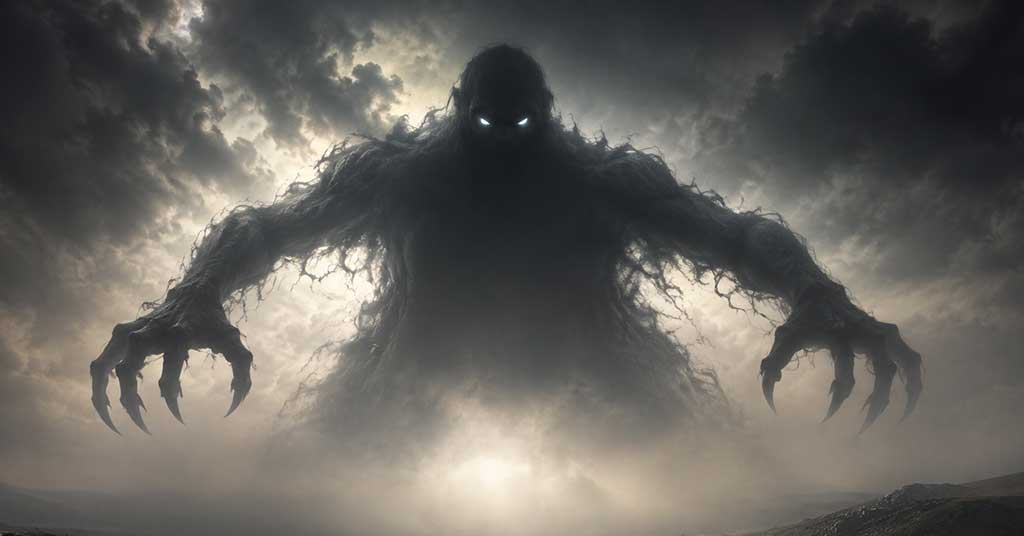
Sometimes the only way forward is to be afraid and do it anyway
A young gymnast came to me because she wanted to improve her performance. She was exceptionally talented and scoring well on the bars and mat, but she had suddenly developed a debilitating fear of the balance beam.
When I asked what frightened her, the list was long. She was afraid of falling, of hearing the anger in her coach’s voice and of letting everyone down. And the more she talked about it, the more convincing the fear became.
Her parents were at their wit’s end. They would talk with her at night, reassure her and eventually get her settled. By morning, the fear was back, often with a vengeance.
Naturally, everyone wanted to know why. Had she fallen? Had something happened at practice? Had someone said something? There had to be a reason why a talented gymnast who had been perfectly comfortable on the beam was suddenly terrified of it.
Of course, sometimes there is a reason. If a child tells you she is afraid of her coach’s anger, you pay attention. You make sure there isn’t something going on that needs to be dealt with.
But sometimes we look too hard for an explanation when what really matters is what the fear is doing to us.
Fear isn’t always interested in logic. You can know an airplane is safe and still grip the armrest when it starts bouncing around. You can be completely prepared for a presentation and still feel your stomach doing somersaults when your name is called. You can have done something successfully 100 times and suddenly become convinced that attempt 101 is going to be a disaster.
Then comes our favourite strategy: trying desperately not to be afraid. Calm down. Stop worrying. Don’t think about it. You’ve done this before. There’s nothing to be afraid of. Sound familiar?
The trouble is, your body may not be particularly interested in the pep talk. Your heart is racing, your stomach is churning and your imagination is happily producing a feature-length movie about everything that could possibly go wrong. And that is where we can get stuck: waiting to feel safe before we’re willing to act.
The goal isn’t to get rid of fear before we move. It’s to stop letting fear decide whether we move at all.
That which we resist persists. And sometimes the way we resist fear is by avoiding whatever frightens us in the first place. That works beautifully for about five minutes. Terrified about giving a presentation tomorrow? Imagine the relief if your boss suddenly cancelled it. Wonderful! You can breathe again.
But what did you just learn? You were frightened, the frightening thing disappeared and you felt better. Somewhere in that experience, fear gets to whisper, “See? I saved you.”
Do that often enough and avoidance can become a habit. The next presentation feels even bigger. The next flight becomes harder to board. The difficult conversation gets postponed again.
That was the cycle I wanted to interrupt with my young gymnast. Instead of trying to convince her not to be afraid, we let the fear come along for the conversation.
We started with what she imagined might happen. What if you fall? What if you don’t get the placement you want? What if you disappoint somebody? And then came the question we often forget to ask: Then what?
We played through those possibilities instead of stopping at the scary part. Yes, she might fall. She might lose. Somebody might be disappointed. None of those outcomes would be particularly pleasant.
But she would be okay.
Her fear had turned everything that might go wrong into a catastrophe. But once we looked at what might actually happen, what she was afraid of started looking a lot more manageable.
You can try the same thing. When your imagination hands you the worst possible ending, ask yourself, “And then what would I do?” Maybe you would apologize. Maybe you would try again. Maybe you would ask for help.
I asked the young gymnast to imagine her fear as a wall and to see herself executing a perfect backflip over that wall and emerging on the other side. The fear was still there, but she was beginning to see that she could do it anyway.
Pick one thing fear has been stopping you from doing and make the next step small enough that you will actually take it. Not comfortable. Just manageable.
If you’re terrified of public speaking, you don’t have to volunteer tomorrow to address 500 people. Speak to 10. If fear has kept you from driving, don’t begin with a six-hour highway trip. Drive around the block. And if you’re frightened of the balance beam, you don’t have to begin with the most difficult routine you know. Get back on the beam.
Then do it again. The point isn’t to prove that you won’t be afraid next time. You might be. The point is to give yourself a different experience: I was afraid and I still did it. I was uncomfortable and I coped. I made a mistake and recovered. The butterflies showed up and the world didn’t end.
Take those small steps often enough and you start giving your imagination a different story to tell.
But not every fear should be handled this way. Some fears are warning you about a genuine problem. And sometimes anxiety becomes much bigger than the everyday fears we all experience. If it is getting in the way of your work, relationships or everyday life, it may be time to get professional help.
But for many of the everyday fears that keep us stuck, waiting until we feel fearless is a pretty good way to spend a very long time waiting. Find out whether your fear is warning you about something real. If it isn’t, take one manageable step while you’re still afraid. Then take another.
You don’t have to defeat fear before you move. You just don’t have to let fear decide what you do next.
Faith Wood is a professional speaker, author, and certified professional behaviour analyst. Before her career in speaking and writing, she served in law enforcement, which gave her a unique perspective on human behaviour and motivations. Faith is also known for her work as a novelist, with a focus on thrillers and suspense. Her background in law enforcement and understanding of human behaviour often play a significant role in her writing.
Explore more on Psychology, Anxiety
The views, opinions, and positions expressed by our columnists and contributors are solely their own and do not necessarily reflect those of our publication.
Troy Media empowers Canadian community news outlets by providing independent, insightful analysis and commentary. Our mission is to support local media in helping Canadians stay informed and engaged by delivering reliable content that strengthens community connections and deepens understanding across the country.

