
A 48.9 per cent jump in rice prices is a symptom of deep trouble in Canada’s food supply chain

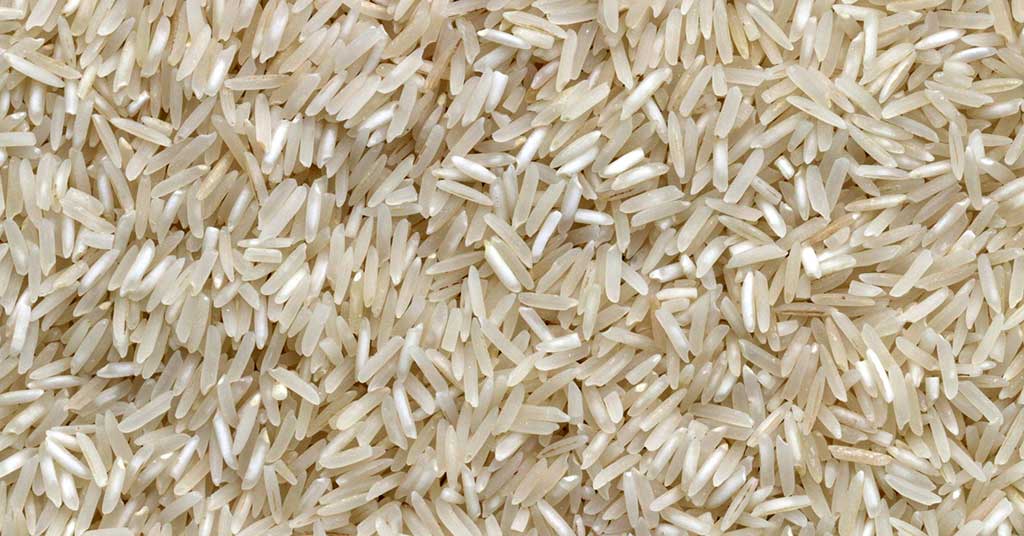
When Canadians think of food price hikes, they picture meat, coffee, produce or even chocolate. Rice rarely comes to mind. Yet in 2025, rice has quietly become the fastest-rising grocery item, up 48.9 per cent since January, according to Statistics Canada.
That’s not a rounding error. A standard two-kilogram bag of white rice now sits close to $10, a hefty jump for one of the world’s most affordable staples.
Canada grows no rice commercially, meaning every bag on store shelves is imported and fully exposed to global markets. For several months, Canadian tariffs—taxes on imported goods—on U.S. rice squeezed processor margins and pushed retail prices higher.
Dainty, a 143-year-old Montreal company and the country’s only rice milling facility, imports from multiple countries before cleaning, milling and packaging domestically. With no local production, every global shock hits Canadian consumers directly.
Basmati rice, Canada’s top-selling variety by volume, shows the challenge. India, the world’s largest rice exporter and Canada’s main basmati supplier, imposed temporary export restrictions last year.
The move sent global prices soaring. Tariffs added to the pressure, and by March, the average price of a two-kilogram bag had pushed well past $10. Prices have eased since tariffs were lifted, but remain far above where they started—and may not fall much further.
Rice is not a marginal food in this country. About one in 10 Canadian adults, 2.2 million people, consume it as their primary grain, according to Statistics Canada, with demand driven by cultural and dietary traditions. Bonafide Research estimates retail sales alone top $600 million annually, while broader industry estimates put the value above $16 billion. Price hikes hit not just grocery bills but also restaurants, caterers and food processors, and they weigh most heavily on immigrant and lower-income households where rice is a dietary staple.
Beyond economics, the type of rice Canadians eat matters. Health Canada notes that white rice, the dominant variety on shelves, offers little fibre or micronutrients unless enriched. Brown, red and black rice retain more nutrients. Wild rice, though not botanically rice, delivers more protein.
Over-reliance on unenriched white rice can displace more nutrient-dense grains from the diet, with long-term health consequences.
Could Canada grow its own rice? Niche production through greenhouse or controlled-environment agriculture might be possible in water-abundant regions like British Columbia or southern Ontario. But competing with low-cost producers such as the U.S., India and Vietnam would be difficult, given rice’s water demands and the economics of scale. Climate change and technology could alter that equation, enabling boutique production for specialty markets.
The real question is whether growing rice here makes economic and environmental sense. For now, Canada will remain dependent on imports, and rice will stay a barometer of global trade, climate shocks and policy choices. When a staple that many overlook jumps nearly 50 per cent in price, it’s not just a grocery story. It’s a warning signal for our food economy.
Dr. Sylvain Charlebois is a Canadian professor and researcher in food distribution and policy. He is senior director of the Agri-Food Analytics Lab at Dalhousie University and co-host of The Food Professor Podcast. He is frequently cited in the media for his insights on food prices, agricultural trends, and the global food supply chain.
Explore more on Food prices, Food supply, Canadian economy, Trade, Cost of Living
The views, opinions, and positions expressed by our columnists and contributors are solely their own and do not necessarily reflect those of our publication.
Troy Media empowers Canadian community news outlets by providing independent, insightful analysis and commentary. Our mission is to support local media in helping Canadians stay informed and engaged by delivering reliable content that strengthens community connections and deepens understanding across the country.

